




 BUSSINES PASS


Franchised automotive: what to expect from one of the most stable sectors in the market
Madrid, August 27, 2025
The automotive and repair sector in Spain is one of the safest and most stable in the market and maintains a broad, professionalized base: in 2023, specialized workshops reached €15.553 billion in turnover, with a total of 46,426 centers and 142,649 direct jobs.
Among the most widely implemented practices, corporate, mixed and predominantly franchised models coexist: Euromaster exceeds €430 million in turnover in Spain, with capillarity based on company-owned and associated centers; Norauto is around €240 million and stands out for its omnichannel lever; Carglass, with a more corporate model, is around €227 million and is a leader in windshields and recalibration after replacement; and Feu Vert stands at around €139 million, focused on fast services and tires.
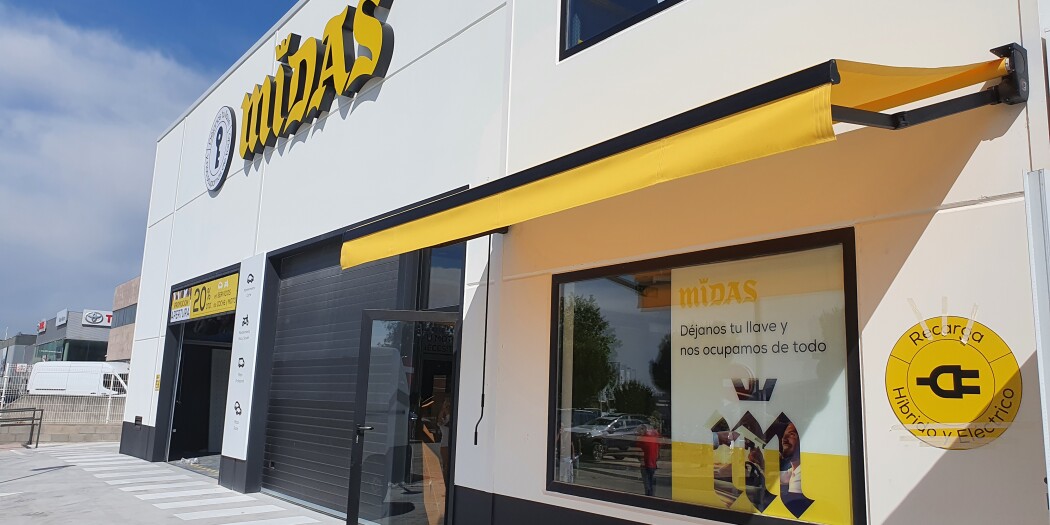
Midas, with €82 million in annual turnover, operates mainly under a franchise model with urban convenience formats, as does First Stop, with around 469 centers in Spain.
For investors and franchisees, the takeaway seems clear: brand strength, scale and technological implementation are the levers that sustain not only average ticket size, but also recurrence and profit margins.
In recent years, new business formats have gained traction under the umbrella of proximity, convenience and digitalization: the “light” urban workshop, which optimizes footprint and bay rotation; mobile/on-site services for fleets, renting and vehicle rental (RAC), which increase average revenue per user; or home-based interventions, which consolidate the “no travel required” value proposition.
True omnichannel strategies—through digital acquisition, smart appointment scheduling or online service sales—are no longer a “nice to have”. New niches are emerging, such as micromobility or pick-up & delivery models, as well as memberships or maintenance subscriptions that smooth seasonality.
However, despite this positive evolutionary trend, all these challenges require investment and focus. Combined with the shortage of technical talent and high energy and material costs, this makes close margin monitoring essential.
According to experts, the aftermarket and spare parts market will continue to grow at a moderate pace and is expected to deliver a stable 2025. The cycle will favor those brands operating under a franchise model, provided they succeed in activating one or more of the following levers:
- Certification in Advanced Driver Assistance Systems (ADAS) and advanced diagnostics.
- Activation of B2B channels (fleets, renting, insurers) with bundled pricing.
- Implementation of memberships and pick-up & delivery systems.
- Talent programs: technician schools, career paths and productivity-based variable compensation.
- Conversion of independents: onboarding independent workshops into the network with support in purchasing, marketing and technology.
In short, the bet is on a scale–specialization combination: networks capable of combining proximity, technology and B2B agreements will capture most of the value over the next ten years.