




 BUSSINES PASS

El sector inmobiliario y el modelo de franquicia: una combinación ganadora a pesar de la transformación del mercado
Madrid, July 18, 2025
The real estate sector under the franchise model is undergoing a full transformation. Gone are the days of the traditional neighborhood agency with a physical storefront and door-to-door prospecting. Today, the brands that dominate the market —and those that aspire to do so— face a dual challenge: understanding and adapting to an increasingly digitalized consumer, and anticipating a complex economic context in which extremely high prices are driven by very limited supply and declining purchasing power.
This transformation can be understood through four major vectors of change: unstoppable globalization, the invasion of digitalization, the imperative of sustainability, and the need for diversification. Each of them responds to structural causes that we cannot —and should not— ignore.
The vectors of change: globalization, digitalization, sustainability and diversification
Let us begin with globalization: an unstoppable phenomenon that long ago ceased to be an aspiration and became a tangible reality across all areas of our lives, and the housing sector could not be an exception.
Real estate groups such as RE/MAX or Engel & Völkers have demonstrated that the franchise model can operate successfully in more than one hundred countries, with decentralized structures and minimal adaptations. International buying and selling —driven by tourism, foreign investment and professional mobility— already requires agencies to speak the language of the “global client”.
Digitalization, for its part, is advancing even faster, if possible, than globalization. Clients no longer travel to a real estate office; instead, they enter a portal, an app or a CRM. What they enjoy —and above all find efficient and practical— is viewing a property in 3D, receiving personalized notifications and signing from their mobile device. And this is precisely where the franchise model has a unique opportunity to continue growing: standardizing technological processes, investing in shared platforms and accelerating digital adoption among franchisees. It is digitize or die.
In the case of sustainability, it has ceased to be a reputational add-on and has become a legal imperative and, perhaps more strikingly, a social expectation. Agencies capable of understanding the value (with a capital V) of an efficient home —not only as a product, but as a brand strategy— will connect with a more conscious buyer and more demanding investors.
And finally, diversification of the offer: from rentals or new developments to tourist residential properties, co-living or logistics spaces. Those agencies that survive will be the ones able to detect niches, segment their offer and train their franchisees, thereby achieving greater resilience against the cyclical and inevitable crises of the real estate market.
So what does the future hold? Most likely it will not be linear or uniform, but it will undoubtedly belong to those brands that embrace change as a lever for growth. And the franchise model —thanks to the agility of its structure, its ability to scale innovation and its network-driven nature— is ready to lead this new era.
What is at stake is no longer just market share. It is the future relevance of real estate as an intelligent, sustainable service connected to new ways of living.
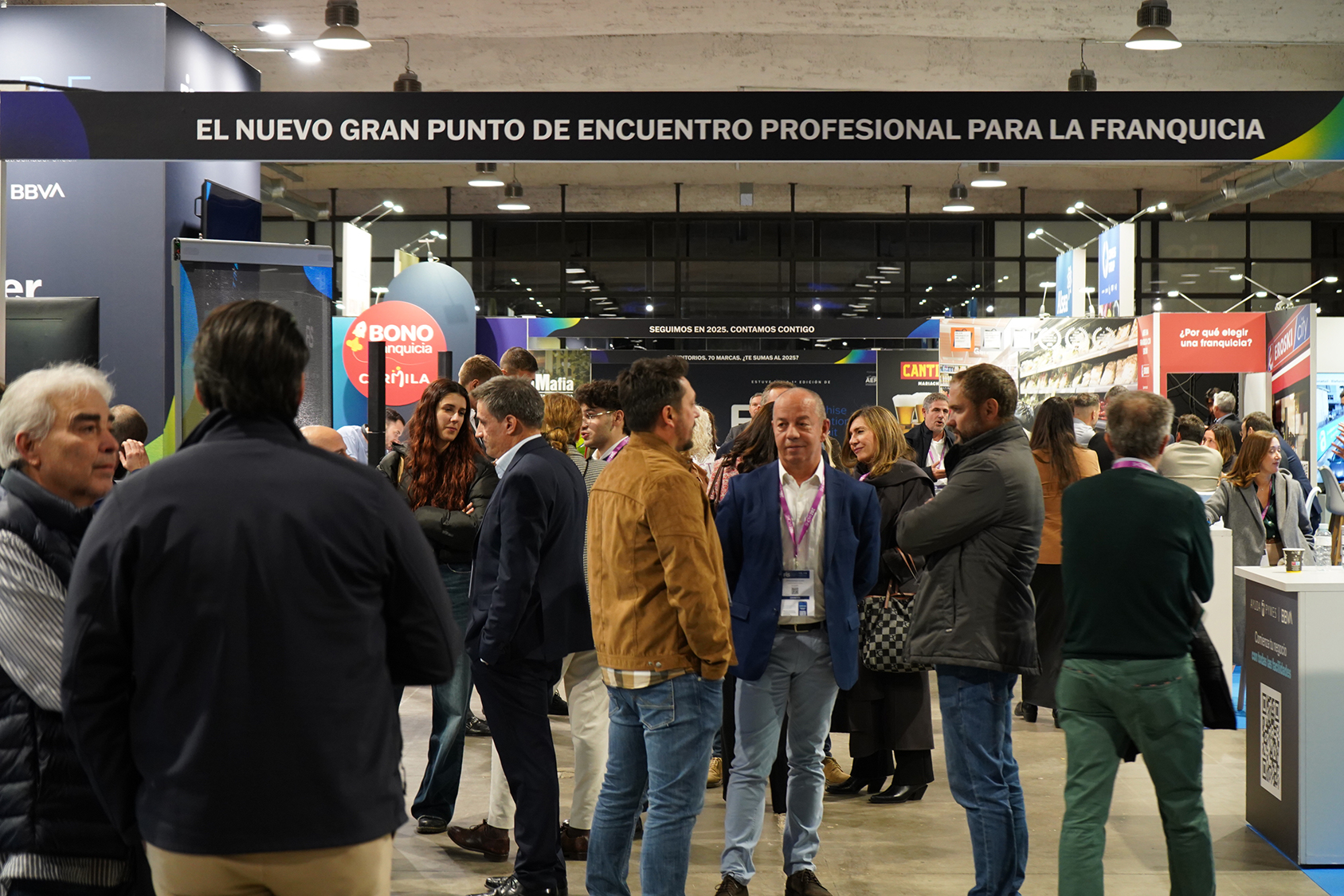
At Franchise Innovation Summit (FIS), aware of the importance of all the sectors that drive the franchise model every day, we have launched —together with Capital Radio— a series of roundtable discussions to talk with leading brands and experts from different disciplines about the trends, challenges and opportunities the future holds.
The first session, dedicated to the franchised real estate sector, featured the participation of Raúl Calleja, Director of FIS; Javier Sierra, President of REMAX Spain; Andrés Rybak, CEO of RBK Prime International Real Estate; and Tony Expósito, Director of Operations and Development at Keller Williams.
You can enjoy the full program HERE
Leading brands in the sector competing for the market of the future
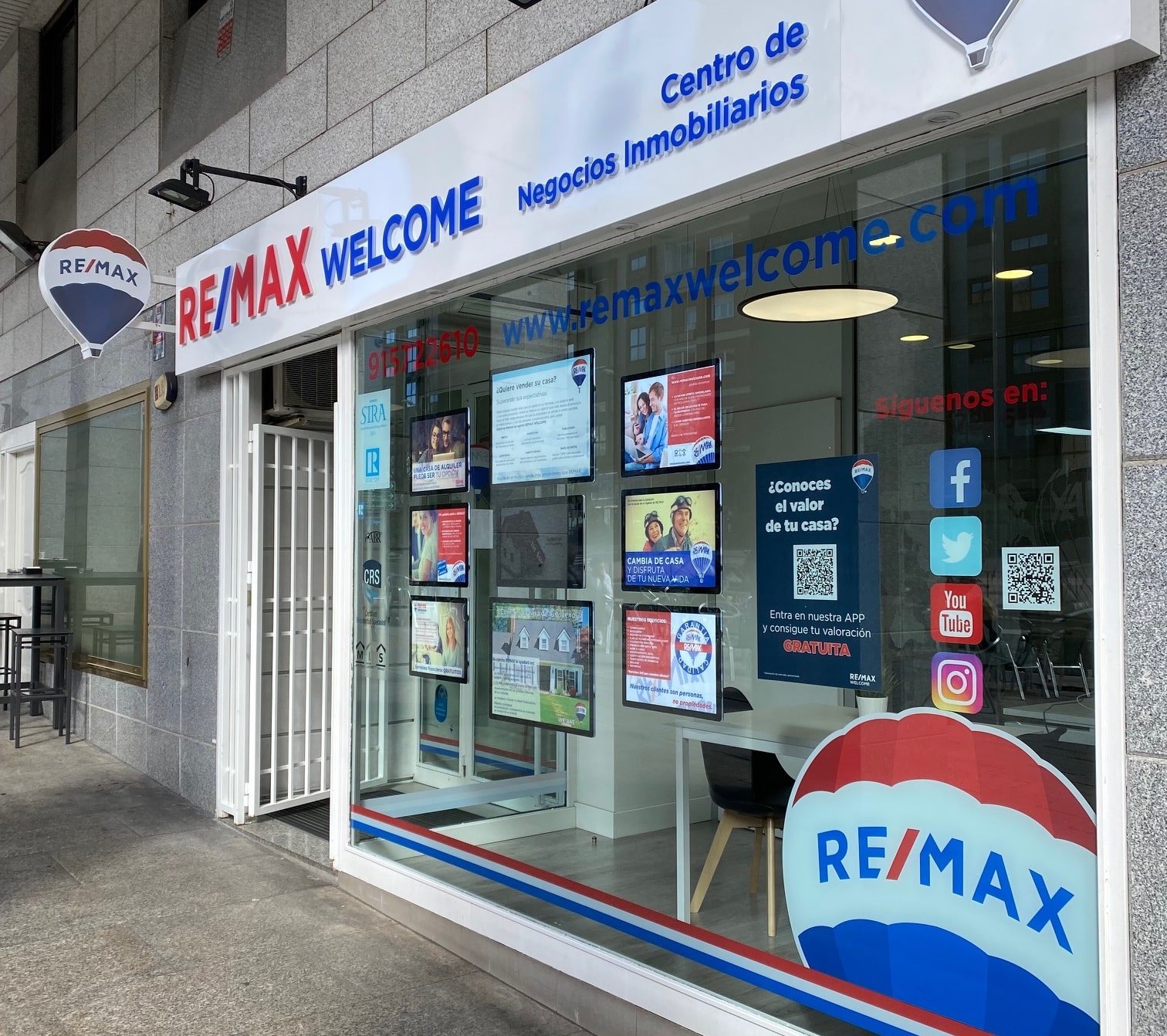
- RE/MAX: Founded in the United States in 1973, it did not enter Spain until 1995. It is characterized by a model with high autonomy for its associated agents, high commissions and a strong investment in training. Today it has more than 8,000 offices in over 110 countries, 162 of which are located in Spain. This real estate giant is a member of the Spanish Franchise Association (AEF).
- Century 21: Also of U.S. origin (1971), it entered the Spanish market in 2010 with a mixed sales and rental approach, a strong brand identity and proprietary technology that drives organic growth. Another sector benchmark and AEF member.
- Garanty Home: A Spanish real estate network operating under a franchise model since 2020, with 16 offices nationwide, focused on efficiency and legal protection in rentals. The brand will participate as an exhibitor in the next edition of FIS, to be held on October 15 and 16 at the Riyadh Air Metropolitano Stadium in Madrid.
- Vipkel Army: Founded in A Coruña in 2022, this is a rapidly expanding premium network with a strong technological focus, having generated more than €3M in revenue to date. Its operating model is based on boutique-style franchises, with 8 active branches across different Spanish cities and potential expansion to Madrid, Valencia and Seville. Vipkel will also be among the participating brands at FIS 2025.
- Don Piso: With Spanish DNA, it was founded in 1984 under the traditional franchise model, combining sales and rentals with financial services. It is present in more than 120 countries, but its strongest positioning remains in Spain, with an urban focus and local experience.
- Look & Find: Of Iberian origin, it opened its doors in Spain in 1987 and was the first brand to build a national network of real estate franchises, now totaling 70 branches. Look & Find is a member of the AEF.
- Engel & Völkers: This German agency, founded in Germany in 1977, entered Spain in 1999 and positioned itself as one of the premium brands with an excellent reputation in the high-end segment.
- Kensington Finest: Founded in Switzerland in 1998, it began operating in the Spanish market in 2011. Specialized in the premium and luxury segment, it operates under a boutique franchise format focused on the most exclusive areas of major cities. This international brand is also a member of the AEF.
- Keller Williams: A U.S. brand founded in 1983, with more than 1,100 offices and around 200,000 associates worldwide, making it the franchise with the largest number of agents globally. It entered Spain in 2015, with a strong presence in Málaga, and a model centered on high-level coaching, advanced technology and an “agent-centric” culture to maximize productivity.
- RBK Prime International Real Estate: A high-end brand with strong international presence, with franchises in Miami, Berlin, London, Doha, Singapore and Spain, where it has offices in Madrid, Mallorca, Málaga and Marbella.