




Spain, a sport-friendly destination: 10 types of sports tourism by Autonomous Community
Madrid, July 24, 2025
Spain stands out in sports tourism with more than €7.3 billion generated by this sector in 2023, thanks to a robust network of modern facilities, diverse environments and an offering designed for multiple profiles: from sports event fans to professionals or active families.
Its great growth potential makes SPORTCITIES Expo&Summit the ideal hub to discover success stories, new solutions and connect with the main players in the sportfriendly sector.
This new event aimed at the entire sports facilities ecosystem will be held on November 19 and 20 in Valencia, and is set to become the benchmark in its field: bringing together facility managers, municipal technicians, heads of sports departments, architects, engineers, service companies, suppliers and public and private decision-makers.
In this short guide, we break down the 10 key categories of sports tourism in our country, with data on their socio-economic impact, target profiles and examples within each autonomous community.
1. Spectator tourism and mass events
Tourist profile: Sports fans, international supporters, general public.
Impact: 66.8% of total sports tourism spending (~€4.877 billion).
Key facilities: Stadiums, stands, VIP areas, audiovisual technology.
Examples:
- San Roque (Andalusia) – Golf Valderrama.
- Madrid (Community of Madrid) – Santiago Bernabéu Stadium and Riyadh Air Metropolitano.
- Girona (Catalonia) – Montilivi and multi-sport pavilions.
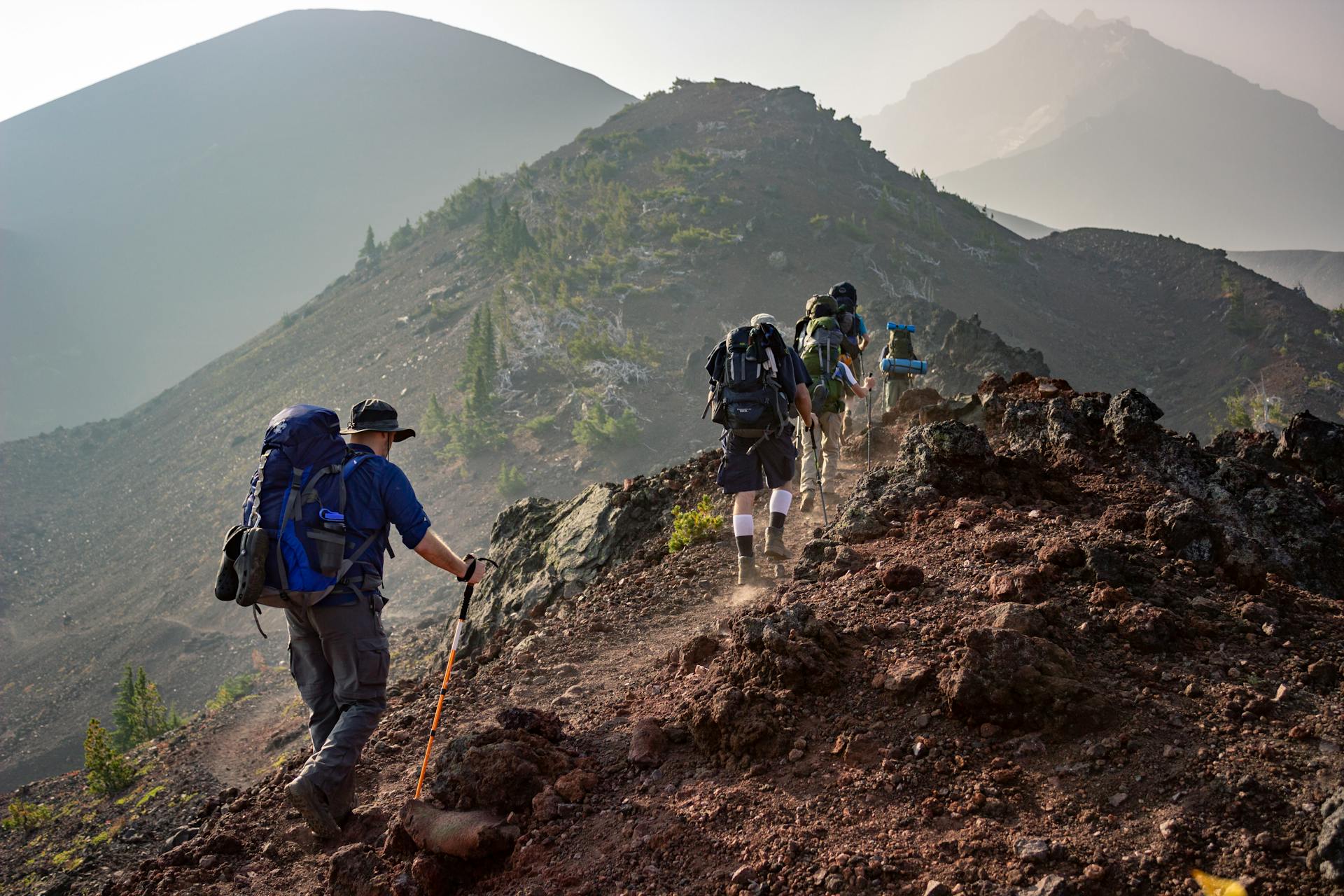
2. Participatory and active tourism
Tourist profile: Recreational sports enthusiasts (trail, cycling, running, kayaking), active couples and groups of friends.
Impact: More than €1.77 billion, continuously growing (+14% in 2024).
Facilities: Signposted routes, natural circuits, rental equipment.
Examples:
- Hermigua (Canary Islands) – Trail running in La Gomera.
- La Safor (Valencia) – Hiking and cycling routes.
- Sabiñánigo (Aragon) – Quebrantahuesos cycling march.
3. Training camps and high-performance centers
Tourist profile: Elite athletes, professional teams, coaches and staff.
Impact: High media and logistical return; international promotion.
Facilities: Performance centers, top-level fields, laboratories.
Examples:
- La Palma (Canary Islands) – Transvulcania and La Palma Training Camp.
- Torrejón-Murcia – COE-UCAM Center.
- Granada (Andalusia) – Sierra Nevada High Performance Center.
4. Holiday tourism focused on sports facilities
Tourist profile: Families, amateur athletes, wellness tourists with active routines.
Impact: Builds customer loyalty; increases average stay.
Facilities: Hotel complexes with courts, pools, fitness centers.
Examples:
- Oviedo (Asturias) – University complex.
- Gandía/Alcoy (Valencian Community) – UPV sports campuses.
- Costa Adeje (Canary Islands) – Resorts linked to sports clubs.
5. MICE tourism with a sports component
Tourist profile: Professionals, conference attendees, corporate event organizers.
Impact: High profitability and occupancy in low season.
Facilities: Multi-purpose rooms, wellness areas, hotel gyms.
Examples:
- Cáceres (Extremadura) – “El Anillo” Center.
- A Coruña (Galicia) – Abegondo Sports City.
- Almería (Andalusia) – University CAU 2025.
6. Adventure tourism and extreme sports
Tourist profile: Young people, adventurers, domestic weekend tourism.
Impact: Increases rural visibility and economic dynamism.
Facilities: Zip lines, MTB circuits, climbing areas.
Examples:
- Cuenca (Castilla-La Mancha) – Toroverde Park.
- Cantabria (Picos de Europa) – Canyoning, mountain routes.
- Navarre (Pyrenees) – Rafting and kayaking.
7. Nautical tourism and water sports
Tourist profile: Families, recreational athletes, sea enthusiasts.
Impact: Reduces seasonality in coastal areas and inland reservoirs.
Facilities: Marinas, diving centers, rowing areas.
Examples:
- International Tagus (Extremadura) – Canoeing and kayaking.
- Pontevedra (Galicia) – Sailing schools in the Rías.
- Alicante (Valencian Community) – Surf and windsurf.
8. Wellness tourism and sports health
Tourist profile: Older adults, female travelers, upper-middle-income audiences.
Impact: Complements other typologies; promotes health and longevity.
Facilities: Spas, gyms, yoga spaces, therapeutic pools.
Examples:
- Tarragona (Catalonia) – Golf and wellness on the Costa Dorada.
- Mallorca (Balearic Islands) – Wellness resorts.
- La Rioja – Spa resorts with sports offerings.
9. Heritage tourism and historical experiences
Tourist profile: Sports fans, cultural tourists, school groups.
Impact: Builds brand identity and encourages themed visits.
Facilities: Museums, historic stadiums, guided routes.
Examples:
- Segovia (Castile and León) – Guadarrama routes.
- San Sebastián (Basque Country) – Real Sociedad’s sports heritage.
- Seville (Andalusia) – Tours of iconic stadiums.
10. School and university sports tourism
Tourist profile: Young students, accompanying families, coaches.
Impact: Fills mid-seasons and strengthens the sports base.
Facilities: Courts, modular locker rooms, group training areas.
Examples:
- Burgos (Castile and León) – UBU Campus.
- Málaga (Andalusia) – University with summer activities.
- Almería (Andalusia) – CAU 2025 Championship.
Now, if you are part of the sports tourism ecosystem, take note…
- Segment to invest: Each profile requires specific facilities. Investing with a strategic vision ensures returns.
- Multifunctionality and sustainability: Adaptable spaces, energy-efficient and accessible to all.
- Local and international partners: Partner with clubs, federations and tourism operators.